





Caravan Toilet Showdown: Cassette vs Composting vs LooSeal
A cassette toilet is the familiar, low-cost default, but you have to find a dump point and manage chemicals. A composting toilet avoids chemicals and dump points but means handling solids and liquids separately. A LooSeal waterless toilet heat-seals every use into its own airtight bag, so there is no water, no chemicals, no cassette and no dump point. Which is right depends on how and where you travel.
Ask any group of caravanners about toilets and you’ll start a better argument than footy tipping. Everyone has a view, usually shaped by one very memorable dump point. So here is a fair, practical look at the three main options for a van or motorhome in Australia, written by a team that fits, services and sells them in Bundaberg every week.
What do you actually want from a caravan toilet?
Before comparing hardware, it helps to be honest about what bothers you most. In our experience, travellers fall into a few camps:
- “I hate emptying it.” The cassette run is the number one complaint we hear.
- “I free camp a lot.” Water and dump-point access suddenly matter a great deal.
- “I want it simple.” Fewer steps, fewer consumables, fewer things to forget.
- “I’m watching the cost.” Upfront cost versus what you spend over years of use.
Keep your own answer in mind as we go through the contenders.
Round 1: The cassette toilet
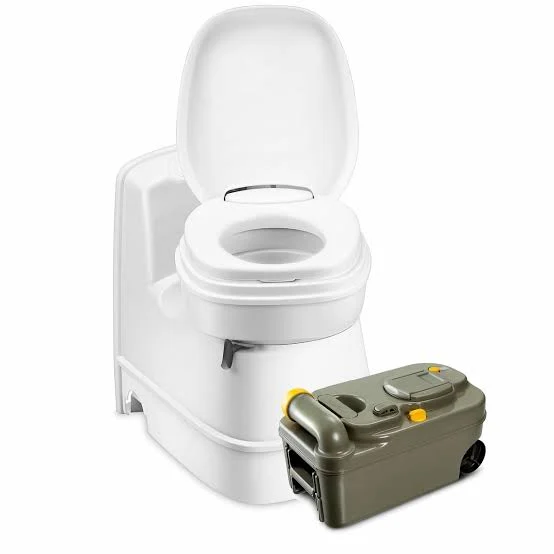
The cassette is the standard in most Australian caravans for good reason. Waste drops into a removable cassette tank behind an external hatch. When it is getting full, you wheel or carry it to a dump point, empty it, rinse it and slide it back in.
What cassettes do well
- Familiar, proven and easy to get parts for.
- Compact and built into most vans from the factory.
- You can carry a spare cassette to stretch the time between dump runs.
Where cassettes let people down
- Dump points. You need one within reach, and it needs to be accessible and working. On remote trips that planning becomes part of the itinerary.
- Water. Cassettes use water to flush, which matters when you are free camping.
- Chemicals. Most cassette users add a treatment to control odour and break down waste, then dispose of it at the dump point.
- Handling. Carrying and pouring a full cassette is nobody’s favourite job, and it is where most mishaps happen.
Round 2: The composting toilet
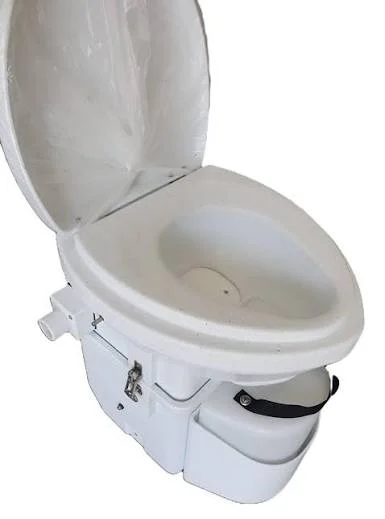
A composting toilet takes a different approach. Instead of storing waste in a tank, it separates liquids from solids. Solids go into a chamber with a bulking material such as coconut coir, and a small fan usually vents the unit. The liquid goes to a separate bottle that you empty regularly.
What composting toilets do well
- No dump point needed for solids, and no chemicals.
- Little to no water use.
- A good fit for people who want to be self-sufficient on long, remote trips.
The trade-offs
- Two streams of waste. The liquid bottle needs emptying often, and the solids chamber still needs attention eventually.
- Bulking material. You need to carry it and keep the unit in a healthy condition.
- Using it properly. Separating toilets work best when everyone in the van uses them the way they are designed to be used. Guests and kids can be a learning curve.
- Space and power. Many have a fan that needs a small amount of power, and the footprint does not suit every van layout.
Round 3: The LooSeal waterless toilet
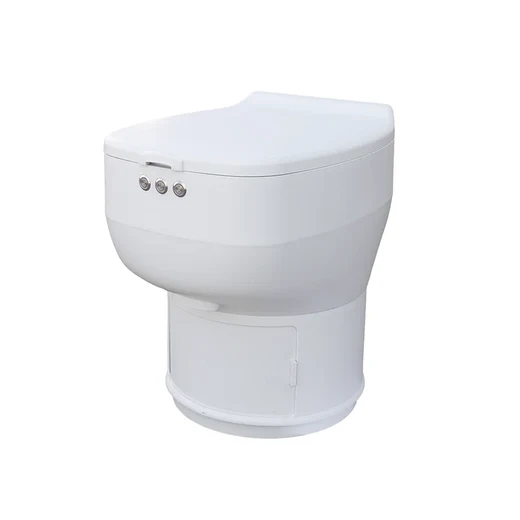
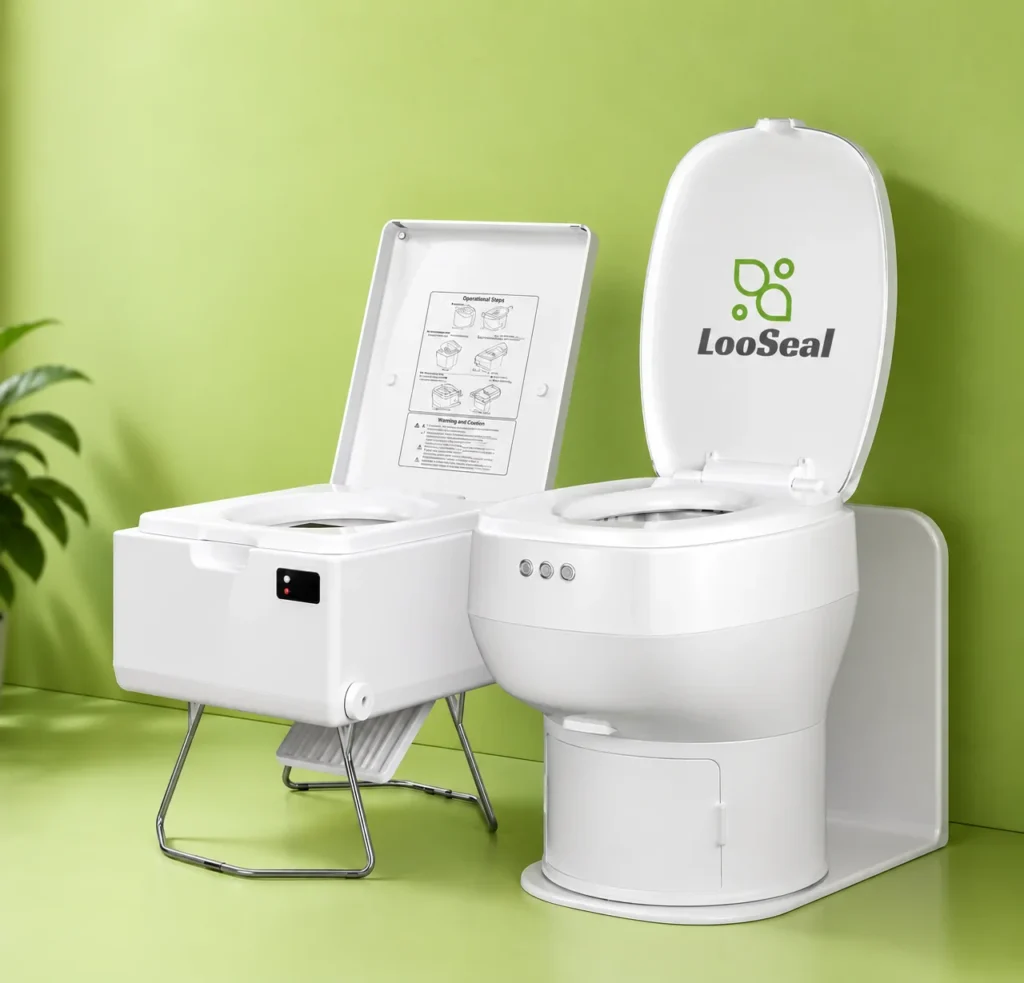
LooSeal is a different idea altogether. It is a waterless, chemical-free toilet that heat-seals each use into its own airtight bio bag. You press a button, the toilet seals the waste and loads a fresh liner, and you lift the sealed bag out and place it in general waste. There is no cassette to empty, no dump point to find and no handling of waste after it is sealed.
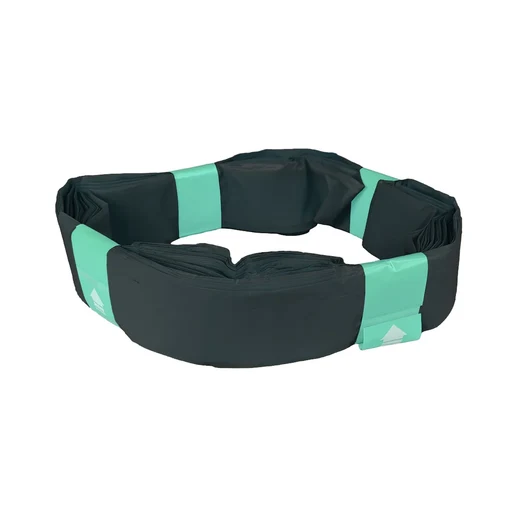
What LooSeal does well
- No water, no chemicals. Handy for free camping and for anyone who dislikes chemical smells.
- No dump points. Your trip is no longer planned around finding one.
- Odour sealed in. Each bag is airtight and rated odour-proof for up to two weeks, according to the maker.
- Built-in battery. The Elite model holds about 100 seals per charge and charges from your van’s 12V or 24V system.
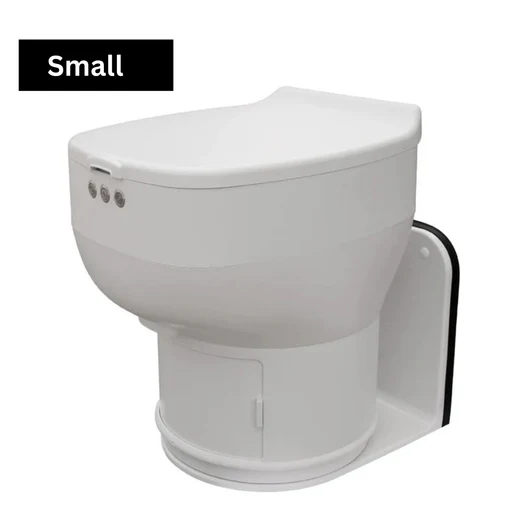
- Fits many vans. The Elite can replace many cassette toilets using an adapter plate.
The honest trade-offs
- Ongoing cost. You use liners, and we recommend Super Absorber, which turns liquid into gel. Liners are an ongoing purchase, but they work out cheaper than buying chemicals for a cassette.
- Bag disposal. The sealed bags simply go in general waste. That is what the bio bag is for.
- Upfront cost. It is a bigger step than keeping a cassette. Call us for a current price on your specific van.
- Fit. We check the adapter plate against your van before anything is ordered.
Which LooSeal model?
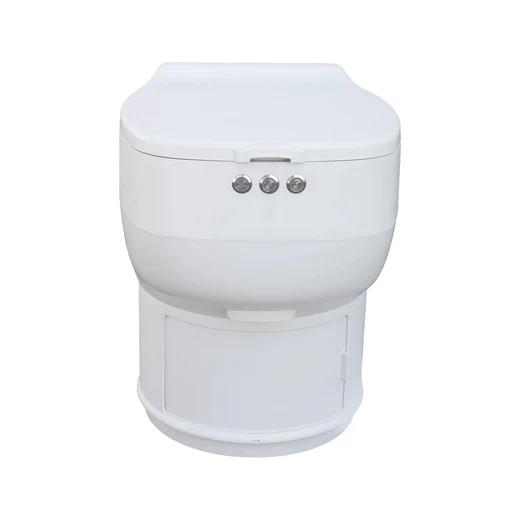
The LooSeal Elite is the fixed model, fitted in our workshop, with a swivel head that turns up to 180 degrees. The LooSeal Evo is the portable version at about 7.7 kg, suited to camper vans, trailers and movable use. Both use the same sealing system and consumables.
The comparison at a glance
| Cassette | Composting | LooSeal | |
|---|---|---|---|
| Water per use | Yes, to flush | Little to none | None |
| Chemicals | Usually | No | No |
| Dump point needed | Yes | No for solids; liquids still need disposal | No |
| Waste handling | Carry and pour the cassette | Empty a liquid bottle and, later, the solids | Lift out a sealed bag |
| Power | Usually none | Often a small fan | Built-in battery, charged from 12V or 24V |
| Ongoing consumables | Chemical treatment | Bulking material | Liners and Super Absorber |
| Best for | Low upfront cost, mostly caravan park stays | Self-sufficient remote travel with a hands-on attitude | Free campers and anyone who wants to skip dump points and chemicals |
So which one should you choose?
- Mostly caravan parks with a dump point nearby? A cassette may be all you need.
- Remote, hands-on and happy with a routine? A composting toilet is worth a look.
- Hate the dump-point run, chase free camps, or have a partner who refuses to touch a cassette? That is exactly who the LooSeal suits.
Can you swap a cassette toilet for a LooSeal?
In many vans, yes. The LooSeal Elite can replace a cassette toilet with an adapter plate matched to the existing opening. We fit it in our Bundaberg workshop and connect it to your 12V system with a 2A fuse. Travelling through? Book a fit day while you are in town, or we can freight a toilet and consumables to you. The LooSeal page has the full specifications.
Frequently asked questions
No. A composting toilet breaks waste down over time and handles liquids and solids separately. A LooSeal heat-seals each use into an airtight bag that goes in general waste. There is no composting step.
No. LooSeal is a chemical-free, waterless toilet. We recommend Super Absorber, which turns liquid into gel, but it is not a chemical flush treatment.
The Elite has a built-in battery rated at about 100 seals per charge, which is roughly one to two weeks of typical use. It charges from your 12V or 24V system in about 2.5 hours.
In many vans, yes, using an adapter plate matched to your current opening. We check the fit with you before anything is ordered.
Sealed bags simply go in general waste. That is what the bio bag is for.
Yes. A cassette must be emptied at a suitable dump point or approved facility, which is the main reason many travellers look at alternatives.
Yes. We are the LooSeal distributor for Bundaberg, Wide Bay and Central Queensland, and we fit the Elite in our workshop.
Ready to ditch the dump point?
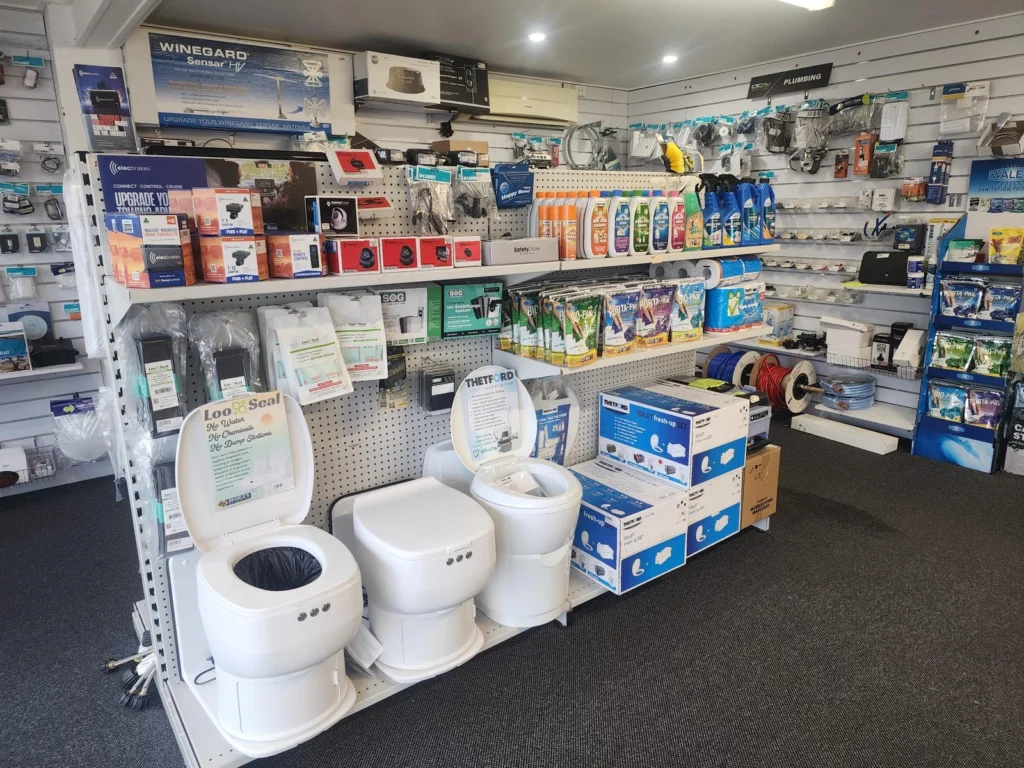
Come and see the LooSeal Elite in our Bundaberg showroom, or ask whether it will fit your van.
See the LooSeal range or call 07 4151 3000Searle’s RV Centre, Cnr Takalvan St & Enterprise St, Bundaberg QLD 4670. Open Monday to Friday 8am to 5pm and Saturday 8:30am to 12pm.